Medication-assisted treatment (MAT) / Medications for substance use disorders (MSUD) has emerged as a highly effective approach to combating opioid addiction. Two prominent medications used for opioid use disorder (OUD) are methadone and Suboxone. While both aim to alleviate withdrawal symptoms and cravings, they differ in their mechanisms of action, administration, and potential side effects, among other things. Understanding the distinctions between methadone and Suboxone is crucial for individuals seeking recovery from opioid use disorder.
In this article, we will discuss some key differences between methadone and Suboxone:
1. Quick Facts
2. Success Rate
3. Side Effects
5. Cost
What is MAT for Opioid Use Disorder?
MAT/MSUD is a comprehensive approach that combines different forms of therapy and medication to treat OUD. The medications used for opioid addiction help reduce cravings and withdrawal symptoms, making it easier for individuals to focus on their recovery journey.
MAT/MSUD is widely recognized as an effective treatment for opioid addiction and evidence shows it is more effective for long-term relapse prevention over abstinence-only treatment. These medications not only reduce risk for relapse and increase the likelihood of sustained recovery, but they help normalize brain chemistry disrupted by opioid addiction and improve physical and mental health outcomes.
By addressing both the physiological and psychological aspects of addiction, MAT/MSUD empowers individuals to regain control over their lives and achieve long-term sobriety.
What is Methadone?
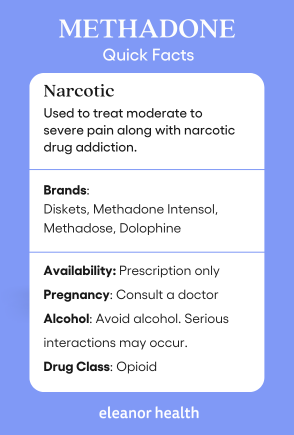
Methadone is a medication that has been used in MAT/MSUD for decades. Methadone is a synthetic opioid agonist. This type of medication mimics the effects of natural opioids in the body. Methadone works by binding to the same receptors in the brain as other opioids, like heroin or prescription painkillers, but without producing the same euphoric effects. This helps reduce cravings and withdrawal symptoms, making it easier for individuals to abstain from opioid use.
Methadone is typically administered as a liquid or tablet, taken once daily under strict medical supervision. It is dispensed through specialized clinics or treatment centers. Individuals must visit these clinics regularly to receive their prescribed dose.
What is Suboxone?
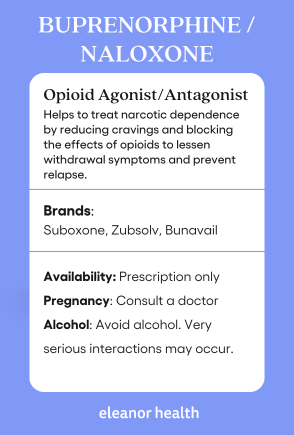
Suboxone is a combination medication that contains buprenorphine and naloxone.
Buprenorphine is a partial opioid agonist. This means it binds to the same receptors in the brain as opioids like heroin or prescription painkillers, but it only partially activates them. This helps reduce cravings and withdrawal symptoms without producing a strong “high” like other opioids.
Naloxone is an opioid antagonist. If someone tries to misuse Suboxone by injecting or snorting it, the naloxone will block the effects of the buprenorphine and cause withdrawal symptoms.
Unlike methadone, Suboxone can be prescribed by certified healthcare providers and taken at home, offering more flexibility and privacy for patients. It is available in various formulations, including sublingual films or tablets. Additionally, there are formulations of buprenorphine that are long-acting injectables.
Ready to Get Help?
Eleanor Health offers online addiction treatment for alcohol, opioids, meth, and more.
Methadone vs. Suboxone Success Rate
Both methadone and Suboxone have demonstrated success in treating opioid use disorder, but their effectiveness can vary depending on individual circumstances and adherence to treatment. External factors often play a role.
Methadone treatment is administered through clinics, requiring daily visits at first. Suboxone, on the other hand, can be prescribed remotely and taken at home. Personal preference and location are important factors to consider before picking one treatment over the other, as both are relevant for long-term adherence.
Methadone Success Rate
Studies have shown that methadone maintenance treatment can significantly reduce illicit opioid use and improve overall health and social functioning. Success rates for methadone treatment range from 60% to 90%, depending on factors such as treatment duration, dosage, and access to counseling and support services.
Suboxone Success Rate
Suboxone has been found to be as effective as methadone in reducing opioid use and improving treatment retention rates. Success rates for Suboxone treatment range from 40% to 60%, with higher rates associated with longer treatment duration and access to counseling.
Side Effects of Methadone and Suboxone
While methadone and Suboxone are effective in treating opioid use disorder, they can also have side effects. It’s essential to be aware of these potential side effects and discuss them with your healthcare provider before you start MAT.
Methadone Side Effects:
- Nausea, lightheadedness, or vomiting
- Slow, shallow, or other difficulty breathing
- Hives, rashes, or other itching
- Chest pain
- Rapid heartbeat
- Hallucinations
- Dry mouth and dental issues
- Withdrawal symptoms if discontinued abruptly
- Increased risk of overdose (especially when combined with other depressants like benzodiazepines or alcohol)
Suboxone Side Effects:
- Drowsiness, dizziness, or fatigue
- Constipation, nausea, vomiting
- Dry mouth and dental effects
- Headaches
- Sleeping problems
- High blood pressure and hot flashes
- Fever
- Breathing issues
- Withdrawal symptoms if discontinued abruptly
- Increased risk of overdose (especially when combined with other depressants like benzodiazepines or alcohol)
The side effects of both medications can vary from person to person and may be influenced by factors such as dosage, individual metabolism, and overall health.
Methadone vs. Suboxone Withdrawal
Methadone Withdrawal
- Withdrawal symptoms of methadone can be severe and may include muscle aches, anxiety, insomnia, and gastrointestinal distress.
- Tapering off methadone must be done gradually under medical supervision to minimize withdrawal severity.
- The withdrawal timeline can be prolonged, lasting several weeks or months.
Suboxone Withdrawal
- Withdrawal symptoms of Suboxone tend to be milder compared to methadone, but can still be uncomfortable.
- Symptoms may include muscle aches, anxiety, insomnia, and flu-like symptoms.
- The withdrawal timeline is typically shorter than methadone, lasting 7-14 days, but many can struggle with post-acute withdrawal syndrome (PAWS) that can last for months. To note, long-acting formulations of buprenorphine may be beneficial for effectively managing withdrawal from Suboxone when tapering off it.
It’s important to note that both methadone and Suboxone can cause physical dependence, and abrupt discontinuation should be avoided to prevent severe withdrawal symptoms. If you decide to switch from methadone to Suboxone (or the other way around), consult your medical provider first to ensure a safe and successful transition.
Cost of Methadone vs. Suboxone
The cost of treatment can be a significant factor in choosing between methadone and Suboxone. While both medications are generally covered by insurance plans, there can be differences in out-of-pocket expenses.
Methadone Cost:
Methadone treatment is typically more affordable, with costs ranging from $0 to $100 per month, depending on insurance coverage and clinic fees. However, there may be additional costs associated with regular clinic visits and transportation.
Suboxone Cost:
Suboxone can be more expensive, with costs ranging from $0 to $500 per month, depending on insurance coverage and the specific formulation prescribed.
However, Suboxone may be more convenient as it can be prescribed by certified healthcare providers and taken at home and there are coupons available for reducing out of pocket costs.
It’s essential to consider both the direct costs of the medication and the potential indirect costs, such as transportation and time off work, when evaluating the overall financial impact of each treatment option. Make sure to also check what sort of coverage you can get for either treatment with your insurance plan.
Choosing the Right Medication for MAT/MSUD
Selecting the appropriate medication for MAT/MSUD is a critical decision that should be made in consultation with a healthcare professional. If you have previously tried one of the medications without success, your healthcare provider may recommend exploring the other option.
Remember, there is no one-size-fits-all solution. The decision should be based on a comprehensive evaluation of your unique circumstances, preferences, and treatment goals. With the guidance of a qualified healthcare professional, you can make an informed choice that supports your journey toward long-term recovery.
At Eleanor Health, we specialize in online addiction treatment, including a comprehensive MAT/MSUD program for Suboxone prescribing both for in-clinic and virtual appointments. We work with most major insurance plans to make addiction treatment accessible for people in recovery. Reach out today to talk to our recovery specialists to get started.