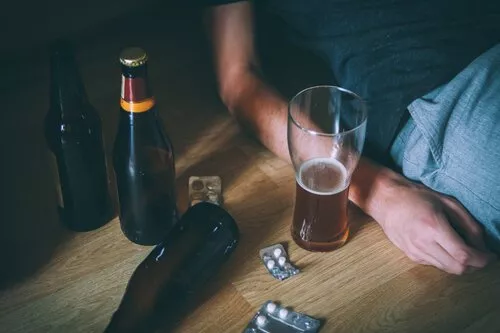
Drinking alcohol is a very common activity throughout the world. People drink for multiple reasons including celebrating wins, mourning losses, and socializing with others. Even though it is legal to drink, alcohol is an addictive substance and many struggle with alcohol dependence.
@eleanor_health Sober curious: What is it? ? #EleanorHealth #sobertiktok #sobercurious #addictionrecovery
♬ original sound – Eleanor Health
The National Institute on Alcohol Abuse and Alcoholism estimates that 29.5 million people, or 10.5% of the United States population aged 12 and older, meet criteria for an alcohol use disorder (AUD). The institute defines AUD as a medical condition characterized by a person’s inability to control or stop their alcohol use despite experiencing its “adverse social, occupational, or health consequences.”
Many who drink do not feel they fall into the category of having an alcohol use disorder, however they may have concerns about their drinking and/or feel motivated to want to change their relationship to alcohol. We will review what it means to be “sober curious” below and provide information on how to make this change.
What is Sober Curious?
While the concept of exploring why you drink and participating in sobriety challenges is nothing new, the term sober curious is credited to Ruby Warrington. Author of Sober Curious [2018], Warrington initiates the question, or the curiosity, around the societal or personal reasons that trigger you to drink.
The goal is to become more mindful of your relationship with alcohol, evaluating whether drinking enriches or detracts from your overall health and wellbeing. Acknowledging that you’re sober curious allows you to experiment with sobriety without completely committing to abstinence long-term.
The fact is, there’s a growing trend, particularly among Millennials and Gen Zers, to embrace sobriety, or at least become more conscious of consumption. The theory is that individuals in both generations seek greater control over their circumstances in the wake of an uncertain social and political climate and an ever-present social media presence, which can threaten visual and potentially embarrassing recordkeeping of alcohol use.
Several public health initiatives have flourished in the past decade to create a more mindful awareness of our relationship with alcohol, including:
- Dry January: A one-month alcohol-free challenge, created in 2013 by Alcohol Change UK.
- Damp January: Instead of going completely alcohol-free, you challenge yourself to drink less for one month
- Sober October: Initially established in 2010 as the Australian fundraiser for Life Education, the 30-day challenge continues to gain traction.
- Mindful Drinking Apps: Sunnyside and Reframe are examples of consumption and accountability trackers.
Notable figures who embrace sober consciousness and enhance the concept’s visibility include Bradley Cooper, Tom Holland, Anne Hathaway, and Chrissy Teigen.
Benefits of a Sober Curious Lifestyle
As you adapt to a sober curious lifestyle, you’ll notice the myriad benefits associated with mindful drinking.
Physical Benefits
- Lower blood pressure
- Weight loss
- Stronger immune system
- Clearer skin
- Increased energy
- Improved sleep
Mental Benefits
- Improved concentration
- Sharper memory
- Greater self-awareness
- Emotional equilibrium
- Healthier connections with others
Financial Benefits
- Reduced spending on alcohol
- Improved work productivity which can lead to higher salaries
A Healthier Relationship with Alcohol
- A deeper understanding of yourself and why you drink
- Motivation to find alternative coping strategies that are better for physical and mental health
- Prevention of overdrinking that can lead to shame and risky situations
Sober Curious vs Traditional Sobriety
A sober curious lifestyle allows you to explore abstinence without completely committing to alcohol-free living. It encourages you to examine what triggers you to drink and take a mindful approach to daily routines and social activities.
Traditional sobriety is the avoidance of alcohol and the lifestyle that encourages its use altogether. For many, this approach is necessary to gain control over drinking because trying to limit drinking has been unsuccessful.
However, the traditional approach is not always necessary for becoming more stable with drinking. For those who do not feel alcohol impairs their day to day life but want to reduce for other reasons, the sober curious lifestyle may be a good match.
Deciding to try a sober curious lifestyle allows you to personalize how and when you want to incorporate it into your routine. You may consider the following strategies as you move forward:
Examine Your Alcohol Consumption
Pay attention to why and when you drink:
- To feel more comfortable
- To fit in
- To relieve stress
- When you get home from work
- At a party or other social gathering
Personalize Being Sober Curious
Think about what conscious consumption looks like for you:
- Giving up alcohol for a specific time period, such as Dry January
- Limiting when and how much you drink
- Drinking a mocktail rather than alcohol at the next social event
- Engaging in activities that aren’t centered around drinking
Navigating Social Situations
A sober curious lifestyle doesn’t mean you need to give up socializing. In fact, you may find you enjoy get-togethers much more without “having” to drink. However, the road to conscious consumption typically requires recognizing possible challenges and enacting a plan for coping with them.
Challenges to Socializing Without Alcohol
Admittedly, when you begin your sober conscious journey, you may experience push-back from those in your social circle. Reactions could range from mild teasing to being completely uninvited.
It’s a good way to identify the difference between drinking buddies and true friends who support your decision. The fact is, you will probably need to abstain from drinking-centered gatherings until you’re comfortable in social settings without alcohol.
Tips for Sober Socializing
Before attending a social situation that you will not be drinking at, there are ways you can prepare yourself including the following:
- Tell your friends beforehand you don’t want to drink
- Prepare a response to being asked why you’re not drinking
- Go to places that don’t serve alcohol, or that aren’t centered around drinking, like the theater, museums, or farmers’ markets
- Keep a nonalcoholic drink in hand
- Bring a sober buddy with you
- Be the designated driver
Importance of Building Supportive Social Circles
One of the biggest challenges to maintaining your sober-conscious decision is isolation. Developing a social network with like-minded individuals creates a supportive community that acknowledges the challenges and supports the efforts of choosing a healthier lifestyle. It helps build your self-esteem. While you may not have friends that are interested in being sober curious, there are many resources online that help connect you with others who practice this lifestyle.
Giving the Sober Curious Lifestyle a Try
By exploring your motivations for drinking and acknowledging behavioral triggers, you can develop healthier lifestyle options. Set realistic goals for achieving success, including mindfulness practices, without punishing yourself when you slip.
Explore some helpful sober conscious resources as you embark on your journey:
Online Communities
Alcohol Alternatives
Eleanor Health Can Help
At Eleanor Health, we provide comprehensive and compassionate care for members struggling with their alcohol and/or substance use. For those wanting to make a change to their drinking and want more support with deciding how to approach their next steps, Eleanor Health team members can help provide a number of resources, including psychoeducation, accountability, medications/mindfulness tools to reduce cravings, and management of mental health symptoms that can contribute to drinking. We have clinics in Louisiana, Massachusetts, New Jersey, North Carolina, Ohio, Texas, and Washington. Contact us to see what treatment options work best for you.