Opioid medications, while effective for pain relief, can be highly addictive. This is why doctors often avoid prescribing them for long-term use. Many individuals who develop an opioid use disorder (OUD) also experience co-occurring depression. At Eleanor Health, we recognize the complex relationship between opioids and depression and the factors that contribute to both conditions.
Depression and Addiction: Dual Diagnosis
When substance use disorders coexist with mental health disorders, it’s known as a dual diagnosis. Depression and OUD frequently occur together as a dual diagnosis. Although the reasons for this are not completely understood, several factors increase the risk:
- Genetic Factors: A family history of mental health disorders or addiction may indicate a genetic predisposition to these conditions.
- Environmental Factors: Trauma, stress, and early exposure to substance use disorders can trigger co-occurring disorders.
- Brain Changes: Conditions like depression, anxiety, and PTSD, as well as substance use, can alter brain structure. These changes may increase vulnerability to developing other mental health or substance use disorders.
People with depression may be more likely to develop OUD after prolonged opioid use. Inversely, long-term opioid use can lead to depression in those without a prior diagnosis, particularly when opioids are used daily or nearly daily.
Depression and Opioid Addiction
While anyone can become addicted to opioids, those with depression are at a higher risk. Opioids can produce feelings of euphoria, leading some individuals to use them as a form of self-medication to alleviate depressive symptoms.
In other cases, opioid misuse—taking more than prescribed, using without a prescription, or using illicit opioids like heroin—can lead to depression.
Prolonged opioid use can diminish the drug’s effects, causing individuals to increase their dosage to achieve the same sensation. This pattern can alter how the brain processes pleasure, contributing to depression. Additionally, withdrawal symptoms such as insomnia, anxiety, and physical discomfort can exacerbate depressive feelings.
Treating Co-occurring OUD and Depression
Effective treatment for co-occurring OUD and depression involves addressing both conditions simultaneously. Focusing on one while neglecting the other can lead to incomplete recovery. A comprehensive approach that integrates both aspects is essential.
Holistic Health and Recovery
The relationship between depression and opioid use is complex. Addressing one condition independently can perpetuate a cycle where one fuels the other. Recovery requires a holistic treatment approach that considers all aspects of health—physical, mental, and emotional. At Eleanor Health, we create holistic treatment plans to meet the unique needs of each individual. Effective treatment often includes:
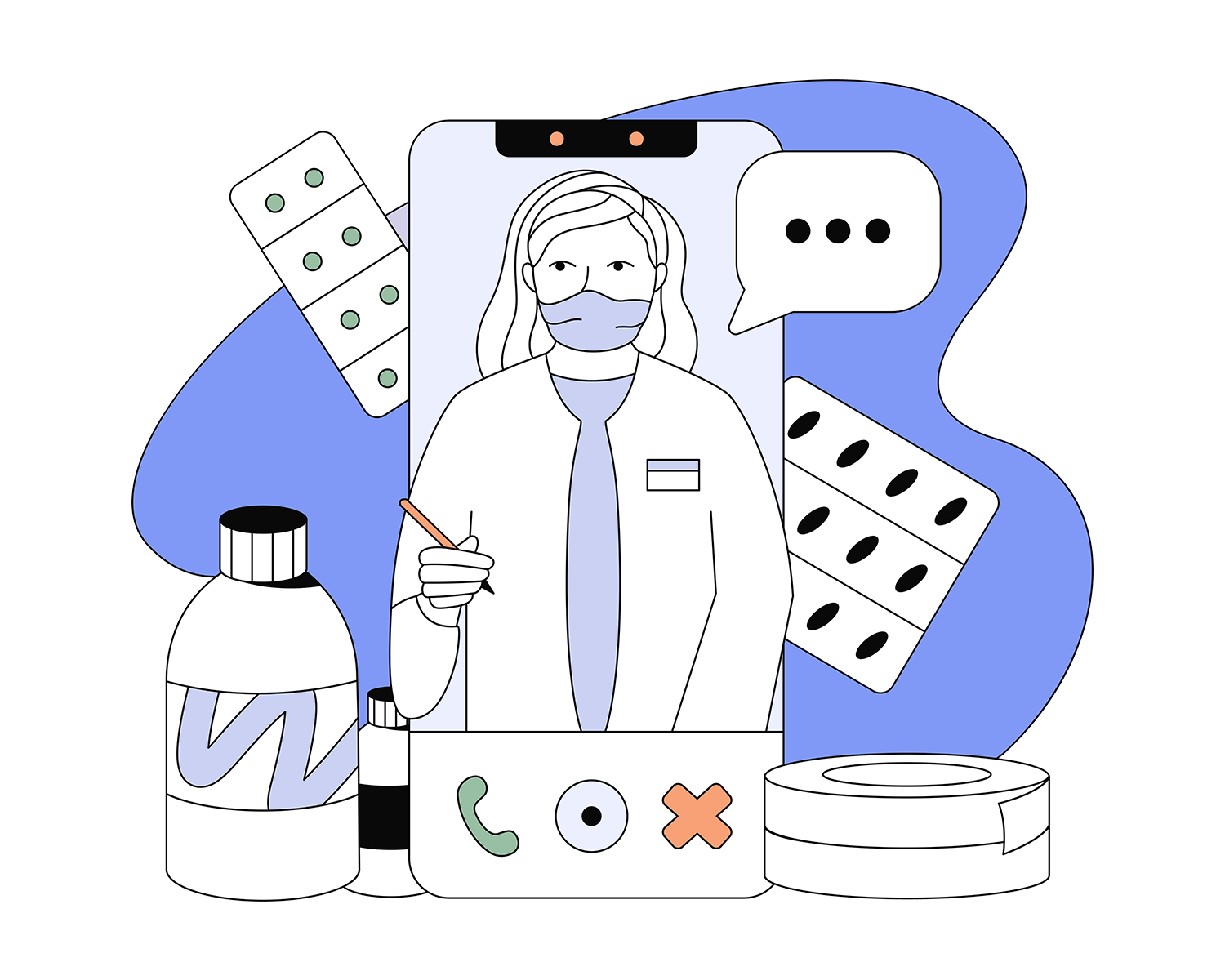
Medications for Depression and Substance Use Disorder: Both addiction and depression can be managed with medications that alleviate symptoms. Medications for OUD, such as buprenorphine, methadone, and naltrexone, help manage cravings and withdrawal, promoting successful recovery. Antidepressants can help manage depression, and your doctor will carefully select medications to avoid interactions with OUD treatments.
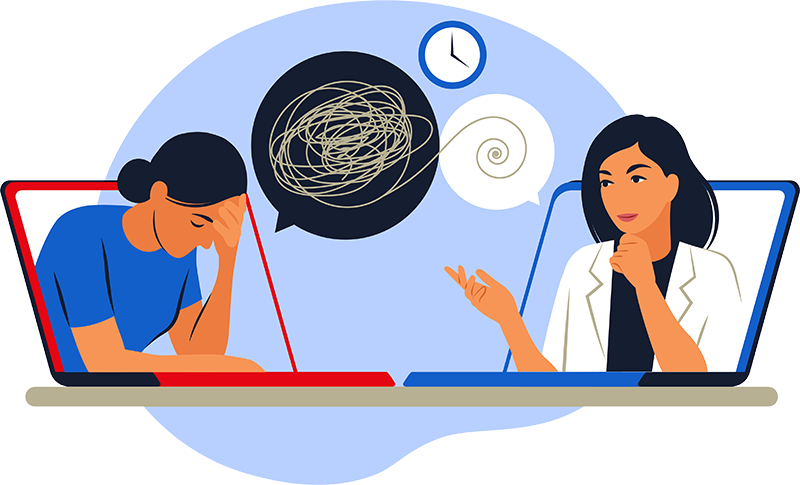
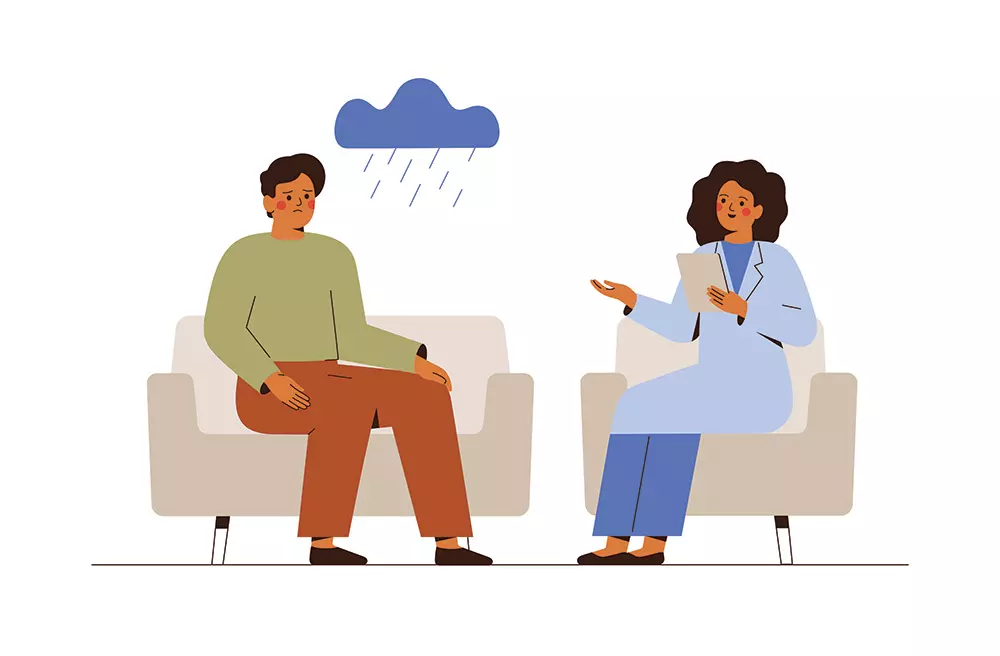
Therapy and Counseling: Medications are most effective when combined with addressing underlying trauma and emotional challenges. Therapy helps identify triggers and develop healthier coping strategies. Healing is challenging, but you won’t have to face it alone.
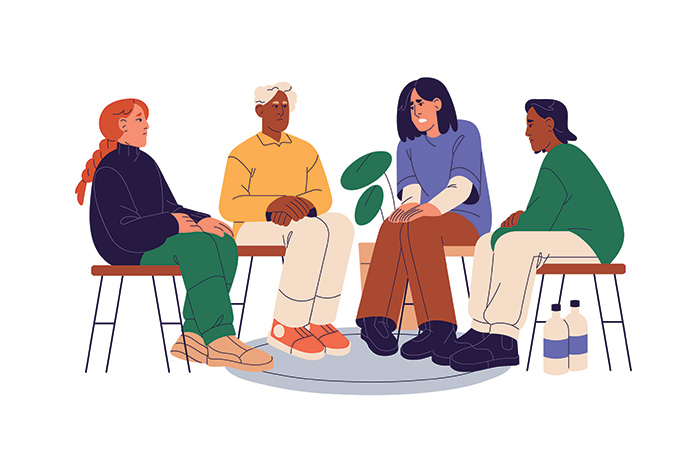
Peer Support: OUD and depression can lead to isolation. Building connections and community is vital for recovery. Peer support offers an opportunity to connect with others who understand your journey. At Eleanor Health, we pair members with trained peer recovery specialists for guidance and non-judgmental support.
Start Treatment Today
Struggling with opioids and depression can feel overwhelming, but you don’t have to go through it alone. At Eleanor Health, we offer compassionate, judgment-free treatment for substance use disorders and mental health challenges. Our services are available both online and in-person across several states.
Reach out today to begin your journey to recovery. We are here to help you achieve a healthier, happier life.