What You Should Know About Kava, Kratom, and Addiction Risks
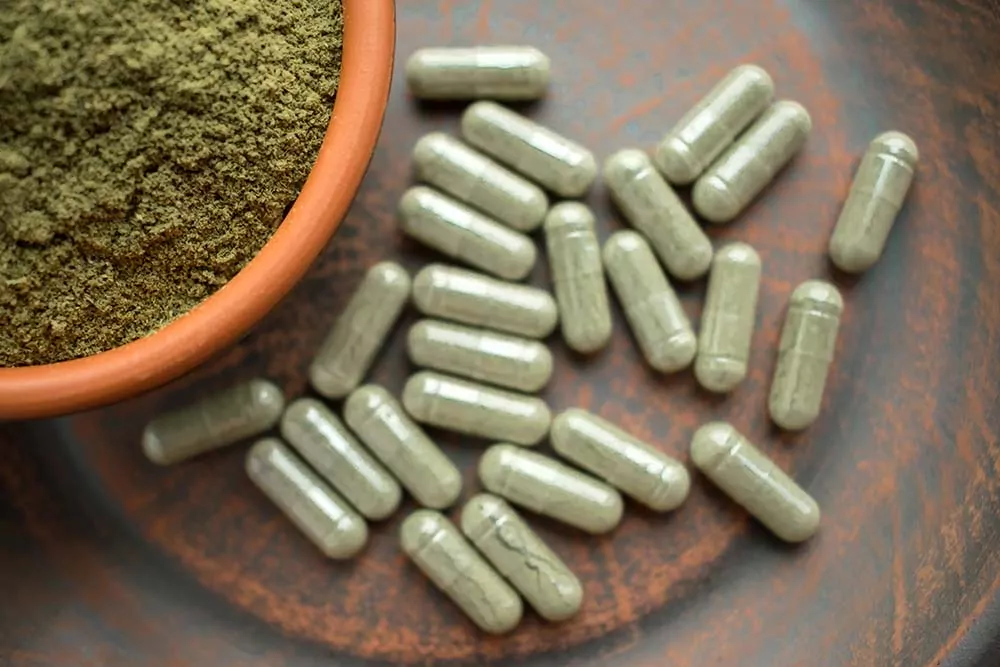
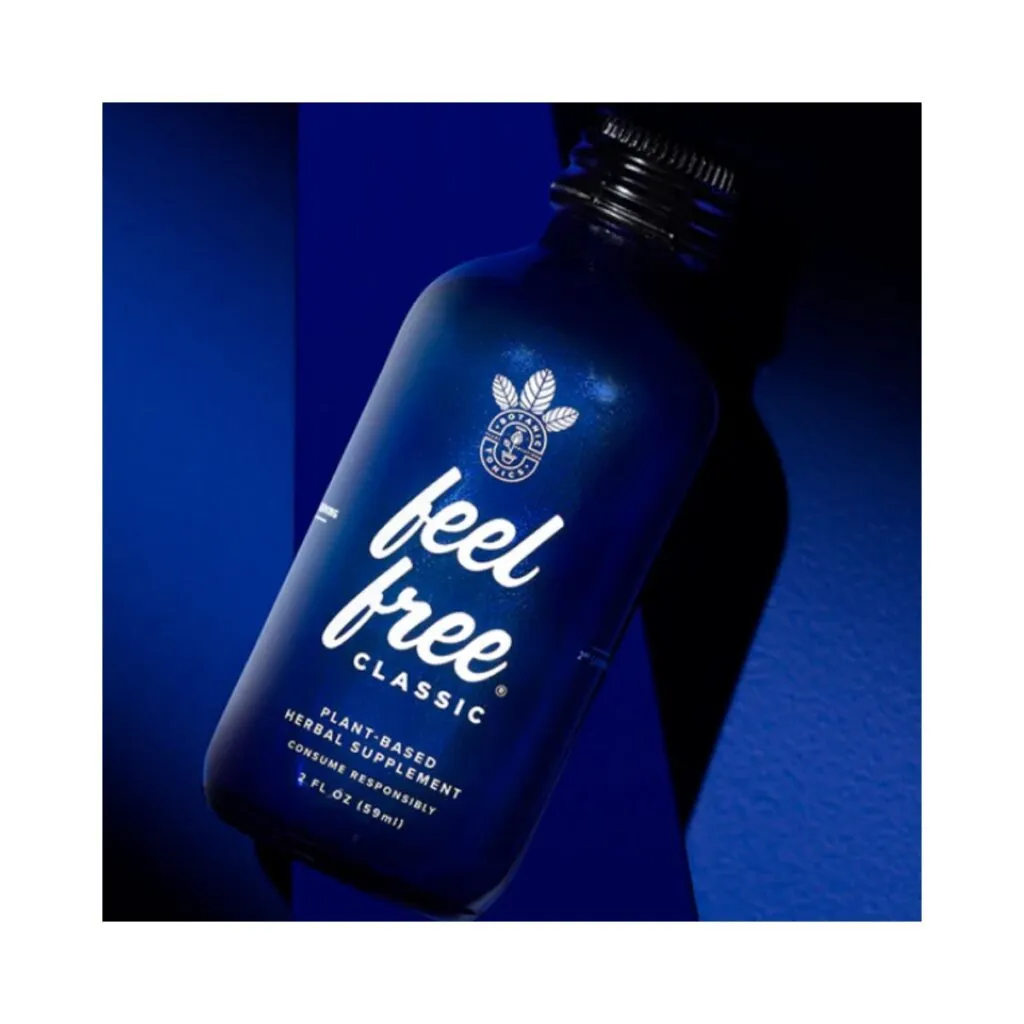
Products marketed as “natural” mood boosters are becoming more popular, especially drinks that combine ingredients like kava and kratom, two plant-derived substances that affect the brain in different ways. The wellness industry has grown rapidly in recent years, with products promising everything from better focus to natural relaxation. One product getting attention right now is the Feel Free drink, a beverage often promoted as a calming alternative to alcohol or stimulants.
Feel Free is marketed as a plant-based beverage containing kava and kratom, and it’s widely available online, in gas stations, and in supplement shops across the country. But “natural” doesn’t always mean risk-free. For people in recovery, or anyone trying to better understand how certain substances affect mood and behavior, it’s important to know what these ingredients do and when curiosity may turn into concern.
For some people, learning more about emerging products is simply about staying informed. For others (especially those in recovery) understanding potential risks can be an important part of protecting long-term progress.
Taking the first step toward addiction recovery requires immense courage, but finding the right treatment shouldn’t add to that challenge. At Eleanor Health, we help people stay informed about emerging wellness products so they can make decisions that support long-term health. That includes helping our community stay informed about new and emerging products like Feel Free, which can carry real risks due to its main ingredients: kava and kratom.
What Is the “Feel Free” Drink?
Feel Free is also known as Feel Free Classic, made by Botanic Tonics, and is marketed as a drink that can enhance mood, relieve stress, and increase focus.
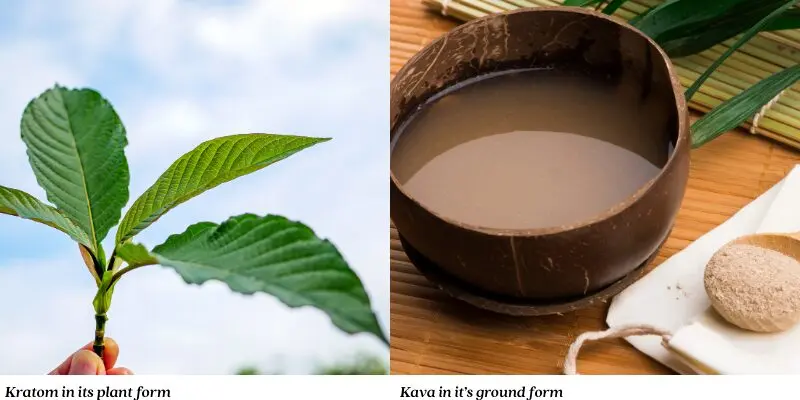
Its two key ingredients are:
- Kava – a root traditionally used in Pacific Island cultures for its calming and mildly euphoric effects.
- Kratom – a plant native to Southeast Asia that acts as a stimulant at low doses and has opioid-like effects at higher doses.
Feel Free is often promoted as a non-alcoholic way to relax or boost productivity. Some people turn to it as a substitute for alcohol, prescription medications, or other substances. What starts out as an alternative can sometimes become something more serious.
Why People Are Talking About Feel Free Right Now
In recent years, wellness products marketed as alcohol alternatives have become more visible online and in retail spaces. Social media conversations and influencer promotion have increased curiosity about drinks like Feel Free, especially among people looking for natural ways to relax or focus.
But increased visibility doesn’t always mean increased safety, which is why clinicians and addiction specialists are taking a closer look at products that combine psychoactive ingredients.
In 2024, Botanic Tonics agreed to an $8.75 million class-action settlement after a lawsuit alleged the company failed to warn consumers about the addictive potential of Feel Free. As part of that settlement, Botanic Tonics was required to add warnings to product labels and social media ads stating: “Warning: This product contains leaf kratom which can become habit-forming and cause serious adverse health effects. Consider avoiding this product if you have a history of substance abuse.“
That label now exists on a product still sold in thousands of retail locations across the country at a price point comparable to an energy drink.
Why Are Addiction Experts Concerned?
While kava and kratom are both plant-derived, their effects on the brain and body can be complex, and sometimes unpredictable when used regularly. It is the combination of kava and kratom that raises red flags for health professionals.
- Kratom affects the same receptors in the brain as opioids. Regular use can lead to tolerance, dependence, and withdrawal symptoms similar to those seen with other addictive substances.
- Kava is often considered less physically addictive, but it can still lead to psychological dependence and has been linked to liver toxicity with long-term use.
Together, these ingredients can create a sense of calm or euphoria, but that feeling may come at a cost. People who use Feel Free regularly have reported mood swings, cravings, increased tolerance, and withdrawal symptoms when trying to stop.
Is the Feel Free Drink Safe? What We Know So Far
Even though it is marketed as a non-alcoholic option, Feel Free is not always a safe choice for someone in recovery. The ingredients in this drink are psychoactive, which means they affect the brain and can alter mood, perception, and behavior.
For people in recovery, this can increase the risk of relapse or lead to something called cross-dependency. Even if the product is legal and plant-based, it can still trigger addictive patterns or create new ones.
What “Normal” vs “Concerning” Can Feel Like
Many people try Feel Free out of curiosity or because it’s marketed as a calming, mood-boosting drink. And for some, the experience may feel mild or short-lived.
But if you’re reading this page because something feels “off,” that matters too. The difference between normal curiosity and growing concern often shows up in patterns over time.
What may feel more normal
- Trying it occasionally without thinking much about it afterward
- Feeling fine the next day without needing it again
- Not changing your routines around it
What may feel more concerning
- Thinking about it often or wanting it to “take the edge off”
- Using it more frequently than planned
- Feeling uneasy about your use, even if you’re not sure why
If you’re unsure where to start, a quick self-check can help you decide whether what you’re feeling is stress, anxiety, or something that needs extra support.
A Gentle Risk Progression: Curiosity to Concern to Support
Not everyone moves through these stages, but many people notice shifts over time. Recognizing patterns early can make it easier to decide what kind of support (if any) might be helpful.
1️⃣ Curiosity
You try it because you’ve heard about it online, from friends, or because it’s easy to buy.
2️⃣ Convenience
You notice it helps you feel calmer, more social, or less stressed in the moment.
3️⃣ Reliance
You may find yourself reaching for it more often — not just for enjoyment, but to get through stressful or emotionally intense moments.
4️⃣ Concern
You begin wondering if your use has changed, or feel uneasy about how often you’re relying on it.
5️⃣ Support
If cutting back feels harder than expected, talking to someone can help you understand what’s happening and explore your options without judgment. This isn’t about labeling anyone. It’s about noticing changes early and giving yourself the option to ask for support if you need it.
When to Consider Talking to a Professional
If your relationship with Feel Free is starting to feel different than you expected, it may be helpful to talk with a clinician. Support doesn’t mean something is “wrong,” it simply gives you space to explore what’s happening and what options might help.
Even though it is marketed as a non-alcoholic option, Feel Free is not always a safe choice for someone in recovery. The ingredients in this drink are psychoactive, which means they affect the brain and can alter mood, perception, and behavior.
For people in recovery, this can increase the risk of relapse or lead to something called cross-dependency. Even if the product is legal and plant-based, it can still trigger addictive patterns or create new ones.
Some signs of growing dependence on Feel Free may include:
- Using it daily or feeling like you need it to get through the day
- Experiencing withdrawal symptoms like irritability, restlessness, or difficulty sleeping
- Needing to increase your intake to feel the same effects
- Feeling stuck or unable to stop, even if you want to
Is Feel Free Addictive?
Not everyone who tries Feel Free will develop dependence, but some ingredients (particularly kratom) have been linked to tolerance, withdrawal, and addiction-related concerns. Kratom has been linked to documented cases of addiction, withdrawal, and even emergency room visits. Kava, while milder, can increase the risk of harm, especially for people with liver conditions or a history of substance use.
If you’re working to maintain sobriety or change your relationship with alcohol, products like Feel Free may seem like a safer alternative at first. But because they still affect mood and brain chemistry, they can sometimes complicate recovery or create new challenges over time.
Concerned about Feel Free or kratom use?
If you or someone you care about is using Feel Free regularly (especially in recovery) Eleanor Health’s care team can help. Virtual care in 19 states and most insurance accepted, including Medicaid.
Call (877) 759-5017Who Should Avoid Feel Free?
We recommend avoiding Feel Free if you:
- Are in recovery from addiction
- Have a personal or family history of substance use disorder
- Are pregnant or breastfeeding
- Take medications like antidepressants, antipsychotics, or benzodiazepines
- Have liver disease or abnormal liver enzyme levels
If You Want Support, Here Are Your Next Steps
Many people start using products like Feel Free for positive reasons — to relax, focus, or avoid alcohol. If your relationship with it feels more complicated than expected, or if you’re starting to rely on it or notice that it is affecting your mood, health, or daily life, support is available.
At Eleanor Health, we provide whole-person, trauma-informed support for people navigating all types of substance use, including products like kratom and kava. Whether you are just starting to think about your relationship with Feel Free or are ready to make a change, our care team is here for you.
You deserve support that meets you where you are, without judgment and without shame. If you are concerned about your use of Feel Free or similar products, reach out to Eleanor Health today. We’re here to help you untangle your recovery and move forward.
If you want to explore confidential support, online addiction treatment programs can help you understand your options.
This article is for informational purposes and does not replace medical advice. If you have concerns about substance use or withdrawal symptoms, talk to a licensed clinician.
Citations
Source: feelfreeclassaction.com settlement agreement and claimdepot.com settlement summary | Definition: terms of the Botanic Tonics class action settlement, including required label language | Period: settlement reached 2024, claims deadline June 3, 2025
FAQs About the Feel Free Drink
Feel Free contains kava and kratom, both of which carry addiction and health risks. In 2024, Botanic Tonics settled an $8.75 million class action over allegations the company failed to warn consumers about Feel Free’s addictive potential. The settlement required the company to add label warnings acknowledging kratom “can become habit-forming and cause serious adverse health effects.”
The FDA has issued multiple warnings about kratom and has not approved it as a safe dietary supplement. For people with a history of substance use disorder, Feel Free carries meaningful cross-dependency risks.
Feel Free Tonic contains kava root extract and kratom leaf extract as its active ingredients. Both substances act on the brain’s opioid and GABA receptors and can cause physical dependence with regular use.
Yes. Kratom, one of Feel Free’s active ingredients, acts on opioid receptors in the brain and can cause physical dependence. People who use Feel Free regularly may experience withdrawal symptoms when they stop (including muscle aches, insomnia, irritability, and cravings).
People with a history of opioid use disorder or other substance use disorders face a heightened risk of developing dependence on kratom-containing products.
Feel Free is legal in most U.S. states. However, kratom (one of its active ingredients) is banned in six states: Alabama, Arkansas, Indiana, Rhode Island, Vermont, and Wisconsin. The FDA has kratom on its import alert list and has issued multiple warnings about its safety, but has not enacted a federal ban.
Feel Free poses significant risks for people in recovery from opioid use disorder or other substance use disorders. Kratom acts on the same opioid receptors as heroin and prescription painkillers.
Using kratom-containing products in recovery can trigger cravings, create new physical dependence, and interfere with medication-assisted treatment (MAT) such as buprenorphine or Suboxone. People in recovery are strongly encouraged to speak with their care team before using any kratom or kava product.
In 2024, Botanic Tonics, the maker of Feel Free, agreed to an $8.75 million class-action settlement. The lawsuit alleged that the company failed to adequately warn consumers about the addictive potential of Feel Free.
As part of the settlement, Botanic Tonics was required to add warnings to product labels and ads stating: “Warning: This product contains leaf kratom which can become habit-forming and cause serious adverse health effects. Consider avoiding this product if you have a history of substance abuse.”