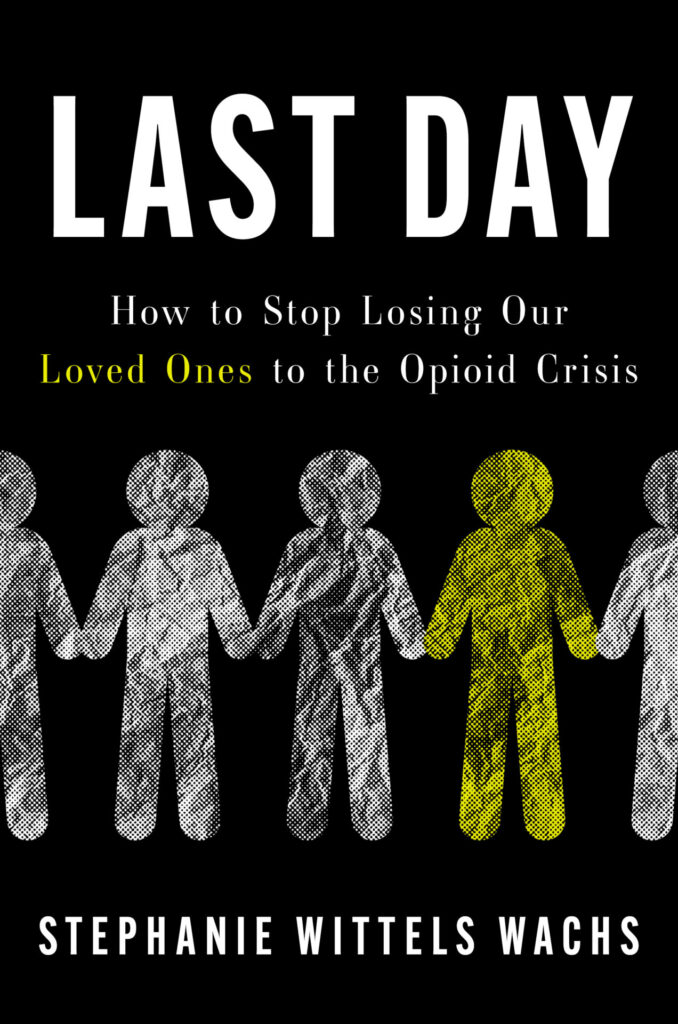
Stephanie Wittles Wachs’ new book, Last Day: How to Stop Losing our Loved Ones to the Opioid Crisis, builds on the award-winning podcast that brought together families, people with lived experience, addiction specialists, and harm reduction advocates to ask a difficult question: What will it take to stop losing people to overdose?
On August 18, Lemonada Media co-founder and CEO Stephanie Wittels Wachs releases Last Day: How to Stop Losing Our Loved Once to the Opioid Crisis, a new book rooted in a conversation with Eleanor Health Co-Founder and Chief Medical Officer Nzinga Harrison, MD, has been a part of from nearly the beginning.
The story began with a devastating personal loss. Stephanie’s brother, writer and comedian Harris Wittels, died of an opioid overdose in 2015. Years later, Stephanie and Jessica Cordova Kramer, who had also lost her brother to an overdose, launched the Last Day podcast. Its first season examined the opioid crisis through conversations with people directly affected by addiction and the people working to change how our country responds to it.
Dr. Harrison became a recurring voice during that first season, appearing in multiple episodes to talk about addiction, treatment and what people need to build meaningful lives in recovery. When Stephanie returned to Last Day for a special episode about opioid use during the COVID-19 pandemic, she jokingly introduced Dr. Harrison as the show’s “MVP.”
Their work together continued beyond Last Day. At the conclusion of the podcast’s first season, Lemonada announced In Recovery, a new show hosted by Dr. Harrison where listeners could bring their own questions and experiences with addiction and recovery into the conversation.
From a podcast to a book
Seven years after Last Day first launched, Stephanie has transformed those conversations and years of reporting into a book.
Part personal story and part investigation, Last Day examines what could have prevented deaths like Harris’s and what needs to change in the way we understand and respond to opioid use disorder. It brings together research, lived experience and perspectives from experts working across addiction treatment and harm reduction.
For Dr. Harrison, those conversations get at something fundamental about changing the course of the opioid crisis: changing the way we understand addiction itself.
“We have to talk the talk before we can walk the walk, and Last Day gives us every word we need. As an addiction medicine physician, I have spent my career trying to explain what Stephanie Wittels Wachs conveys here with devastating clarity and grace: addiction is a disease, treatment is not thirty days, relapse is not failure, and the goal is not just survival, it is a beautiful life.”
Dr. Harrison goes on to describe the book’s progression from education to compassion to hope, calling it “exactly the sequence that saves lives.”
That philosophy has also shaped Eleanor Health’s approach to substance use disorder treatment. Recovery can require medical care, behavioral health support, harm reduction, connection and attention to the circumstances affecting a person’s life. Eleanor’s goal is to help people build recovery around the lives they actually want to live.
It’s also an idea Eleanor has long shared with families. Substance use disorder affects more than the person using substances, and education can help loved ones replace fear and stigma with understanding and meaningful support. Eleanor’s guide for families emphasizes substance use disorder as a health condition, the value of harm reduction and whole-person care, and the importance of supporting someone through recovery while also caring for yourself.
Continuing the conversation
The opioid crisis has changed since Last Day first began asking these questions. The need for compassionate, evidence-based conversations about addiction has not.
For families trying to understand what is happening to someone they love, people wondering what recovery could look like for themselves, and professionals trying to build a better system of care, Last Day offers a place to begin.
As Dr. Harrison writes in her endorsement:
“Last Day is the book I will hand to every patient, every family member, and every colleague who is ready to stop doing what hasn’t worked, and start doing what will.”
Last Day: How to Stop Losing Our Loved Ones to the Opioid Crisis by Stephanie Wittels Wachs is available August 18, 2026 from Gallery/Lemonada Books.